Published November 3, 2022 08:00AM
7 Immune-Boosting Foods to Get You Through Cold & Flu Season
Add these antiviral foods to your plate this cold and flu season to improve immune response and fight sickness.
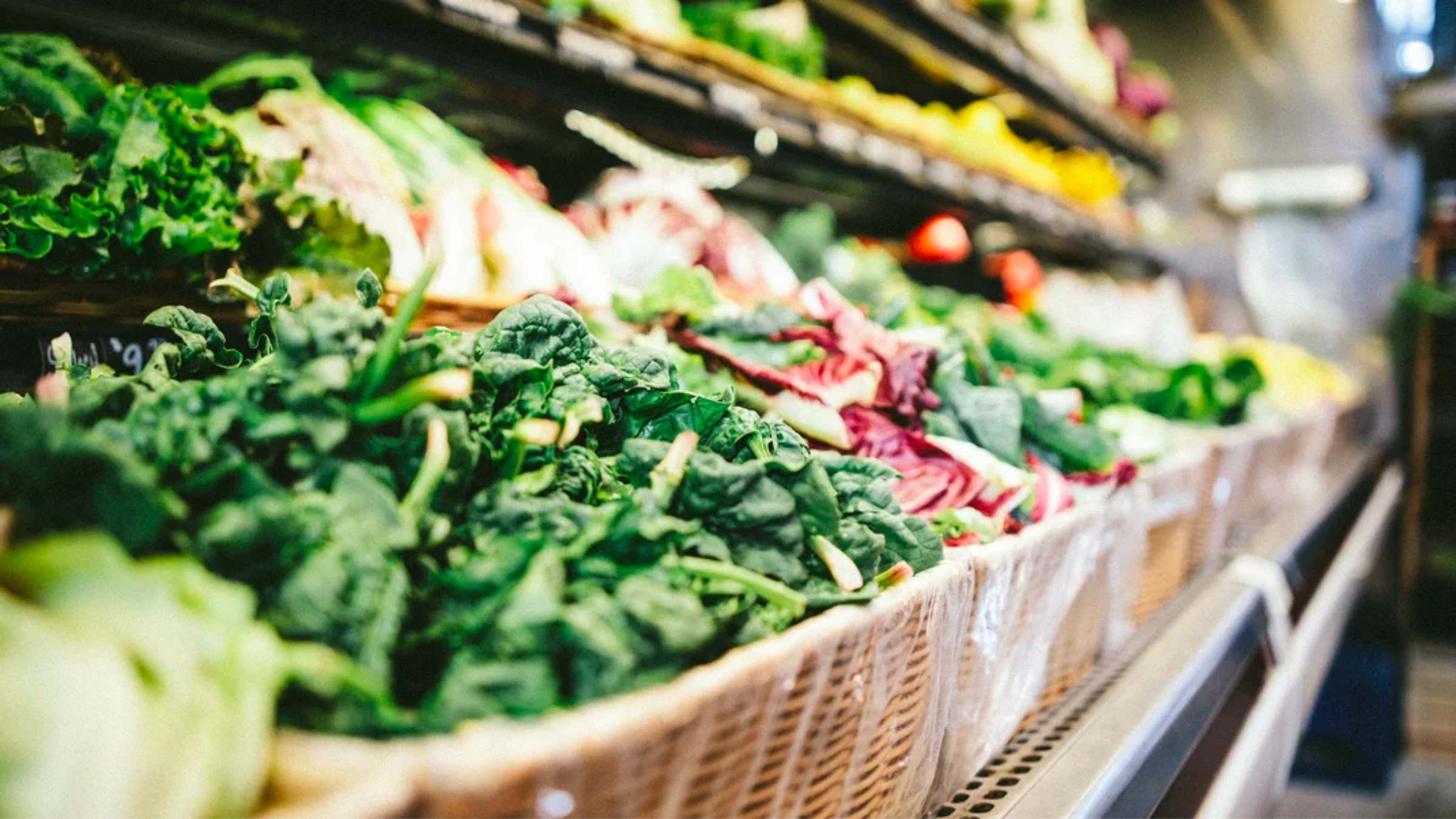
(Photo: Getty Images)
Don’t want to catch a cold – or flu – when the temperatures drop? It’s hard to avoid the sneezes, coughs, and sinus woes of cold and flu season. Millions of cases of the common cold strike each year, and even the strongest immune systems can become ill during fall and winter. But there’s an easy (and delicious) way to defend yourself: Add some immune-boosting foods into your daily diet.
The following foods are proven immunity helpers, and eating them regularly can deliver a dose of the vitamins, minerals, and other nutrients you need to keep your immune system strong.
1. Black Tea
This particular tea variety is rich in a group of pathogen-fighting compounds that can protect against a variety of viral infections. Tea leaves contain naturally occurring compounds, including polyphenols, catechins and alkaloids like caffeine, theobromine and theophylline that defend the plants against invading pathogens such as bacteria, fungi and viruses. Older studies show black tea can almost completely inhibit the infectivity of influenza virus. And in one study, black tea extract, rich in flavanol compounds called theaflavins, inhibited herpes simplex virus type 1 (HSV1) infection.
How to Try Black Tea
- Purée strong-brewed black tea with grated ginger, frozen mango, and Greek yogurt for a flu-busting breakfast
- Steep black tea bags in hot water then use as a broth to cook brown rice, garlic, and onions
2. Shiitake Mushrooms
Shiitake mushrooms are loaded with beta-glucans, antiviral compounds that have been shown to inhibit viral replication and enhance immune function. In one study, people who ate shiitake mushrooms for four weeks showed improved markers of immunity, as well as reduced inflammation. Other studies show shiitake mushrooms also have significant antibacterial and antifungal properties, and they protected against 85% of the yeasts, molds and other organisms they were tested on.
ADVERTISEMENT
How to Try Shiitake Mushrooms
- Thinly slice shiitake mushroom caps, toss with melted coconut oil and minced garlic and roast until crisp
- Stir-fry shiitakes, slivered carrots, broccoli, sliced red peppers, and minced ginger in sesame oil and tamari then toss with cooked soba or rice noodles.
- Make Egg Drop Soup with Shiitake Mushrooms
3. Yogurt
Here’s a good-for-you breakfast food that contains an abundance and variety of probiotics that may aid in fighting viral infections. In one review, 28 trials found that probiotics had a positive effect on respiratory tract infections (RTIs). Other studies have found probiotics can enhance respiratory tract immunity, speed recovery and lessen the severity of respiratory infections caused by the influenza virus. They’re thought to work by enhancing overall immune function, interacting directly with the virus and/or producing antiviral compounds. Yogurts that are rich in probiotics may protect against other viral infections, including some types of coxsackievirus, HIV-1 and viruses that cause diarrhea.
How to Try Yogurt
- Line a mesh strainer with cheesecloth, pour in yogurt, place over a bowl and let stand overnight for easy yogurt cheese
- Whisk yogurt with apple cider vinegar, dried dill, and minced garlic and chives for a healthy dressing
4. Ginger
Ginger has long been used in traditional medicine to treat colds and flu, and modern studies show it has measurable antiviral benefits. In one study, fresh ginger protected against HRSV (human respiratory syncytial virus, a major cause of lower respiratory tract infections) by blocking the virus’ ability to attach to cells and stimulating the release of compounds that help counteract viral infections.
How to Try Ginger
- Cut peeled ginger root into matchsticks, sauté in olive oil until crisp and use as a topping for soups or salads
- Simmer ginger slices in milk or coconut milk, strain then whisk in turmeric and honey for a creamy, soothing beverage
5. Apple Cider Vinegar
If you’re used to sipping on apple cider vinegar or have been taking it as a supplement, this traditionally used antiviral can become an immune-boosting food during cold and flu season. A number of modern studies have shown the antimicrobial activity of apple cider vinegar against a variety of pathogens. Researchers suggest apple cider vinegar may work by a variety of mechanisms, including the antiviral properties of apples and the presence of probiotics that occur during the fermentation process.
ADVERTISEMENT
How to Try Apple Cider Vinegar
- Steep dried elderberries and sliced ginger in apple cider vinegar then strain and add honey for an easy oxymel (herbal tonic)
- Whisk together apple cider vinegar, honey, mustard, and olive oil for a sweet, creamy dressing
6. Garlic
Garlic contains powerful compounds, including allicin, diallyl trisulfide and ajoene, that fight viruses, including influenza, rhinovirus, cytomegalovirus (a type of herpes virus), herpes simplex, HIV, viral pneumonia and rotavirus. In one study, people who took allicin extract over a 12-week period had significantly fewer colds than the placebo group, and those who did get a cold recovered faster.
How to Try Garlic
- Roast whole heads of garlic, skin-on, until cloves are soft then let cool and peel off skins
- Finely mince raw garlic and add to a dressing of olive oil, lemon juice, and minced thyme
7. Cinnamon
It’s more than just a warming spice – cinnamon has been used in herbal medicine for hundreds of years, and chemical profiling shows its active compounds have antiviral, antimicrobial, immunomodulatory and anti-inflammatory effects. In one study, cinnamaldehyde, the compound that gives cinnamon its characteristic flavor and smell, inhibited the growth of the influenza virus. Cinnamaldehyde also inhibits Listeria and Escherichia coli in foods and protects against a variety of yeasts and fungi, including Candida albicans.
How to Try Cinnamon
- Add cinnamon, cardamom, vanilla extract, and coconut milk to oatmeal for a chai-spiced breakfast
- Add cinnamon and cocoa powder to your morning coffee
For more foods immune-boosting foods, keep reading: