Published August 9, 2021 12:35AM
7 Foods to Protect Your Liver
If you consumer sugar, fat and alcohol, your liver may need a little extra care. Try these liver foods shown to help strengthen the liver, improve its detox processes and protect it from damage.

If you consumer sugar, fat and alcohol, your liver may need a little extra care. Try these liver foods shown to help strengthen the liver, improve its detox processes and protect it from damage.
Top Foods for Liver Health
Let’s talk liver foods. It seems everyone is concerned about liver health these days and for good reason. Think of your liver as a traffic cop directing substances and nutrients coming into your system. It determines what to stop, pull over and ultimately get off the road (i.e. out of your body) like poisonous alcohol, drugs and medications. It also decides what gets the green light to go on and complete its job to nourish your body, like cleansing, healthy foods. And it also decides what gets parked and stored for later use, like fat-soluble vitamins and minerals. Of course, that’s an oversimplification of your liver’s many functions and in fact, only the tip of the iceberg. Your liver plays many more important roles that are essential to life, such as energy metabolism, breaking down proteins, supporting the immune system to fight infections and more.
Because your liver is the crux of good health, it’s critical that you take good care of it. Here are the top 7 liver-cleansing foods and supplements to help support a well-functioning liver.
1. Artichokes
Artichokes are rich in cynarin, chlorogenic acid and other compounds that boost the liver’s detox pathways, protect against oxidative stress and reduce the risk of liver damage. In addition to that, it’s also high in inulin, which stimulates components of the immune system.
ADVERTISEMENT
Try these:
- Steam whole artichokes, then serve with warm olive oil infused with rosemary and garlic
- Toss chopped artichoke hearts with cannellini beans, black olives, roasted red peppers and baby arugula
- Quarter baby artichokes, grill until tender, then toss with a dressing of minced shallots, grapefruit juice and olive oil
- See also: Marinated Artichoke Salad with Roasted Pistachios
2. Green tea
Green tea is high in catechins, antioxidants that improve blood markers of liver health, boost liver enzyme levels and protect against oxidative stress and fat deposits in the liver. Some research indicates that green tea may also reduce the risk of liver cancer. Most importantly, because some studies suggest concentrated green tea supplements can increase the risk of liver damage, it’s best to drink it in its natural form – as a leaf or powder made into tea.
Try these:
- Cook brown rice and dried mushrooms in a broth of strong brewed green tea, tamari and ginger
- Combine matcha green tea powder with minced garlic, ginger, sesame oil and rice vinegar for a robust Asian dressing
- Purée cooled green tea with cucumber, baby spinach and honey for a refreshing beverage
- See also: Psst: You’re Brewing Your Green Tea All Wrong
3. Broccoli sprouts
Broccoli sprouts, like other cruciferous vegetables, are rich in sulforaphane and other compounds that boost detoxification and protect the liver from damage. For example, in one study, men with fatty liver disease who took broccoli sprout extract as a liver detox food showed improved liver enzyme levels and decreased oxidative stress.
Try these:
- Toss broccoli sprouts with sliced red onion, pomegranate seeds, walnuts, feta cheese and olive oil
- Roll broccoli sprouts, avocado, carrots, cucumbers and cooked brown rice into sheets of nori for quick veggie sushi
- Sauté shallots and wild mushrooms in olive oil and garlic, add broccoli sprouts to warm and toss with pasta
- See also: Spice Up Your Broccoli
ADVERTISEMENT
4. Grapefruit
Grapefruit is high in naringin, which humans metabolize as naringenin, an antioxidant that protects the liver by reducing inflammation, preventing oxidative damage. For instance, some studies show naringin may reduce the risk of cirrhosis and hepatic fibrosis, the development of excessive connective tissue in the liver. Furthermore, naringin also helps the liver’s ability to metabolize alcohol and protects against some of its damaging effects.
Try these:
- Toss grapefruit sections with cubed avocado, frisée, pomegranate seeds and pistachios
- Combine chopped grapefruit sections with minced red pepper, red onions, jalapeño peppers, cilantro and lime juice for a zesty salsa
- See also: Butter Leaf Salad with Grapefruit, Avocado & Buttermilk Yogurt Dressing
5. Blueberries
Blueberries are rich in anthocyanins, antioxidants that reduce inflammation and protect the liver from oxidative stress. Some studies suggest blueberries, as well as cranberries, protect against liver damage and reduce the risk of fibrosis.
ADVERTISEMENT
Try these:
- Simmer mashed blueberries with minced onion and sprigs of fresh thyme then purée for a savory jam
- Combine blueberries, Greek yogurt and chia seeds, refrigerate overnight then top with chopped pecans for a quick breakfast bowl.
- See also: Make-Ahead Coconut Oatmeal Bake with Blueberries & Almonds
6. Beetroot juice
Beetroot juice has traditionally been used as a remedy to activate liver enzymes and increase bile, which helps the liver’s detox function. For instance, it’s high in betalains and other compounds that have been shown to reduce inflammation, protect against oxidative stress and reduce the risk of liver damage.
Try these:
- Juice whole beets, ginger, carrots and green apples for an uplifting morning beverage
- Combine beet juice, grapefruit juice, lime juice and sparkling water and garnish with lime wedges.
- See also: Beat Age-Related Conditions With Beets
7. Coffee
Coffee protects against fatty liver disease and reduces inflammation. Studies show drinking coffee lowers the risk of cirrhosis, a condition that’s marked by scarring of the liver, even in people with chronic liver disease. It may also protect against liver cancer and reduce mortality in people with chronic liver disease.
Try these:
- Blend cooled espresso with vanilla Greek yogurt, freeze in an ice cream maker and top with shaved chocolate
- Simmer coconut milk with ginger, turmeric and honey, strain and add to brewed coffee
- Mix instant espresso powder, coconut sugar, chipotle powder and garlic powder and use as a rub for grilled salmon
- See also: Butterscotch Squash Coffee Cake with Maple Glaze
ADVERTISEMENT
Top Supplements for Liver Health
So, now that you’ve compiled the ultimate liver foods shopping list, consider bolstering your liver-protecting protocol with the following liver detox supplements:
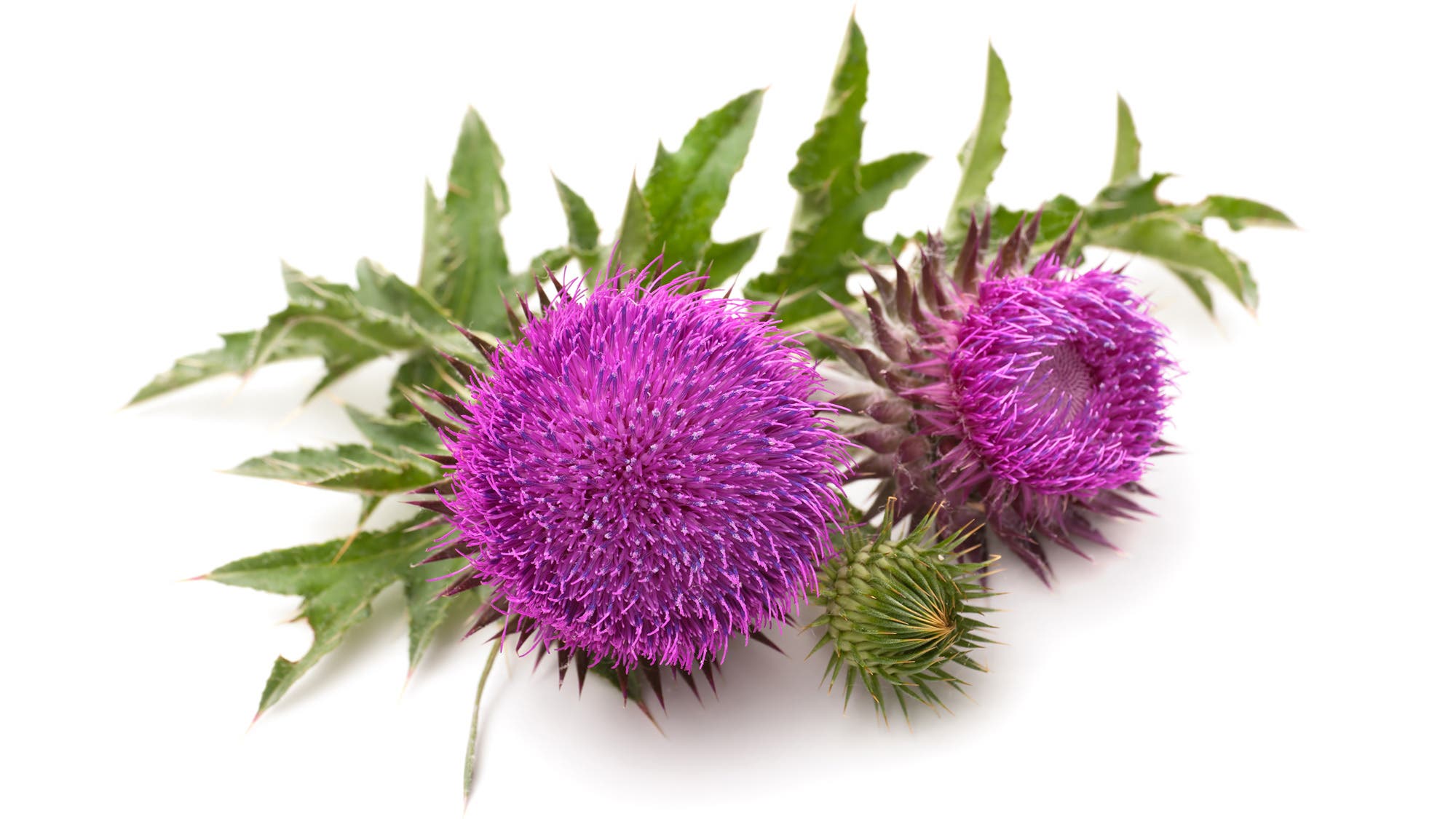
Milk thistle
From a flowering plant native to the Mediterranean, is a traditional liver tonic in herbal medicine. It’s high in silymarin, an antioxidant with anti-inflammatory and immune-supportive properties. Studies show milk thistle is effective in treating alcoholic liver disease, hepatitis and nonalcoholic fatty liver disease and can protect the liver from damage caused by toxins and alcohol. Some research also suggests it may even reduce the risk of liver cancer.
Burdock root
A vegetable related to the sunflower family that’s native to Asia and Europe, has a long history of use in Chinese medicine as a liver tonic. It’s rich in compounds with antioxidant and anti-inflammatory activities, and studies show it can protect the liver from damage caused by toxins, acetaminophen and chronic alcohol consumption.
ADVERTISEMENT
Betaine
A compound found in beets and many other foods, is typically used to promote cardiovascular health. In fact, studies show it can also help break down fatty acids in the liver and may help treat nonalcoholic fatty liver disease. Similarly, other research shows betaine can protect the liver from inflammation and damage caused by toxins and chronic alcohol consumption.
Curcumin
The active compound found in turmeric, protects against inflammation and free-radical damage and is widely used in Ayurvedic medicine. For example, studies show that curcumin can protect the liver from damage caused by toxins, chronic alcohol intake and a high-fat diet. It’s poorly absorbed, so look for supplements formulated with piperine, a compound in black pepper that dramatically increases absorption.
ADVERTISEMENT
See also: What’s the Difference Between Curcumin and Turmeric?
For more articles on supporting your liver including liver foods, meal plans and preventative liver protocols for nonalcoholic fatty liver disease (NAFLD), read on: