Published December 29, 2021 09:00AM
How Do You Know If You’re Just Tired or If You Have Chronic Fatigue Syndrome?
Everyone feels tired from time to time. And others feel fatigued nearly all the time. Here’s help for distinguishing general tiredness from chronic fatigue syndrome.
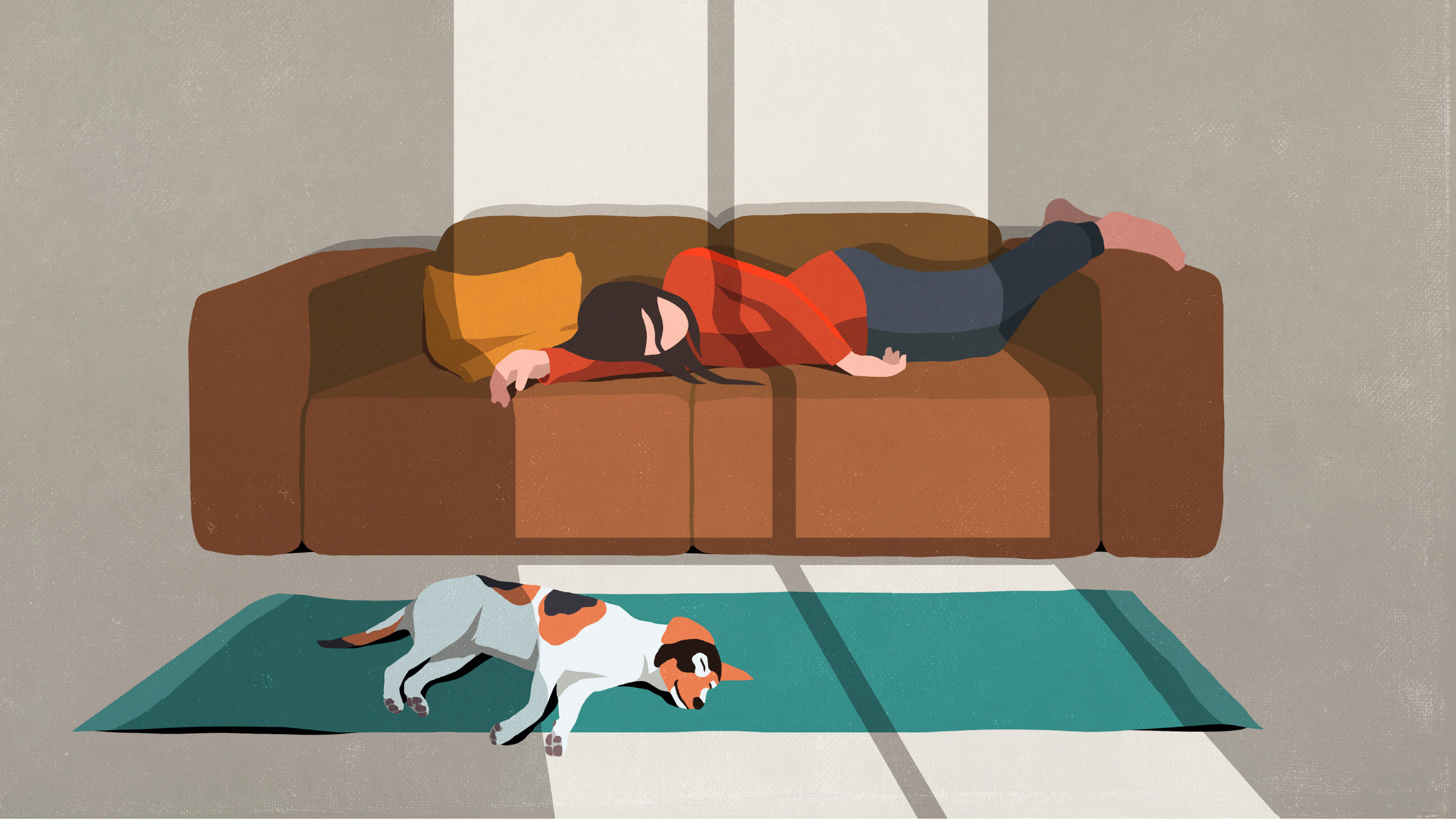
Myalgic Encephalomyelitis (or ME/CFS) is the medical term for chronic fatigue syndrome, a condition that affects 2.5 million Americans, according to an estimate from the CDC. It can affect people of any age, including children and teens, but is most common in women in their 40s and 50s. In fact, women and girls are four times more likely to be diagnosed than men and boys.
Chronic fatigue is much more than feeling tired all the time, and it comes with other symptoms. Cases can be mild to severe, with 1 in 4 people with chronic fatigue experiencing severe symptoms. Those symptoms can include:
- Fatigue that has lasted 6 months or more
- Tiredness that affects your daily activities at work and home
- Feeling more tired than usual after physical exertion
- Interrupted sleep – trouble falling and staying asleep
- Feeling tired even after a solid rest
- Trouble concentrating
- Headaches
- Sore throat
- Unexplained muscle or joint pain
- Feeling lightheaded or having blurry vision or rapid heartbeat when standing or sitting upright
- Needing to take a nap to get through the day
- Social isolation and depression
Experts aren’t sure exactly what causes chronic fatigue syndrome, but there are theories that it could be connected to genes, other conditions (such as fibromyalgia or IBS), immune system problems, blood pressure and circulation issues, or hormonal issues.
How do you know if you have chronic fatigue syndrome?
If you have consistent tiredness lasting at least 6 months and getting sleep doesn’t help you feel better, you should see your doctor. Your doctor will check for chronic fatigue, as well as other underlying infections or psychological disorders of which fatigue is a symptom.
There isn’t a single lab test that can help a doctor diagnose chronic fatigue syndrome. Rather, the diagnostic criteria is complicated and often overlap with symptoms of fibromyalgia. The United States Institute of Medicine has proposed the following guidelines must be present for a diagnosis:
- Fatigue so severe that it interferes with the ability to engage in pre-illness activities
- Not a lifelong condition, but of new or definite onset
- Not alleviated by rest
- Worsened by physical, mental or emotional exertion
To meet the Institute of Medicine’s diagnostic criteria for chronic fatigue syndrome, a person would also need to experience at least one of these two symptoms:
- Difficulties with memory, focus and concentration
- Dizziness that worsens with moving from lying down or sitting to standing
ADVERTISEMENT
Treatments for chronic fatigue syndrome
Treatment plans for chronic fatigue syndrome focus on relieving symptoms rather than finding a cure. A combination of medication and therapy may be used. Common treatments include:
- Pain relief drugs
- Antidepressants
- Medication to regulate blood pressure or heart rhythm
- Counseling
- Sleep aids
- Sleep apnea treatment
- Light exercise
Am I just tired, or is it more than that?
Everyone experiences stressful or exhausting periods in life, such as dealing with big changes, losses, childbirth, illness or injury, being under a lot of pressure or experiencing times of uncertainty. These experiences can cause both changes to your mental and physical status that make you feel more tired than usual. But often this condition will improve over time, when there is a period of relief or those uncertainties start to unfold into answers.
But for people with chronic fatigue syndrome, the relief doesn’t seem to come. If you feel as though you’re unable to engage in your work and home life like you used to, and that your consistent tiredness has lasted longer than 6 months, it’s worth talking to your provider about chronic fatigue syndrome.
If you don’t have a diagnosis of ME/CFS, you can try adjusting your diet and lifestyle habits to sleep better at night. Put these ideas into practice: