Published May 4, 2018 09:48PM
8 Steps to a Healthier Microbiome
Here are our recommendations for keeping your gut happy and healthy.
1. Eat a Plant-Based Diet with Lots of Fiber
The fiber in plant foods passes through the digestive system until it reaches the colon. Bacteria in the colon then break down the plant polysaccharides through fermentation into short-chain fatty acids, the largest amount as butyrate. Butyrate is the preferred energy source for cells in the colon and can help prevent colon cancer.
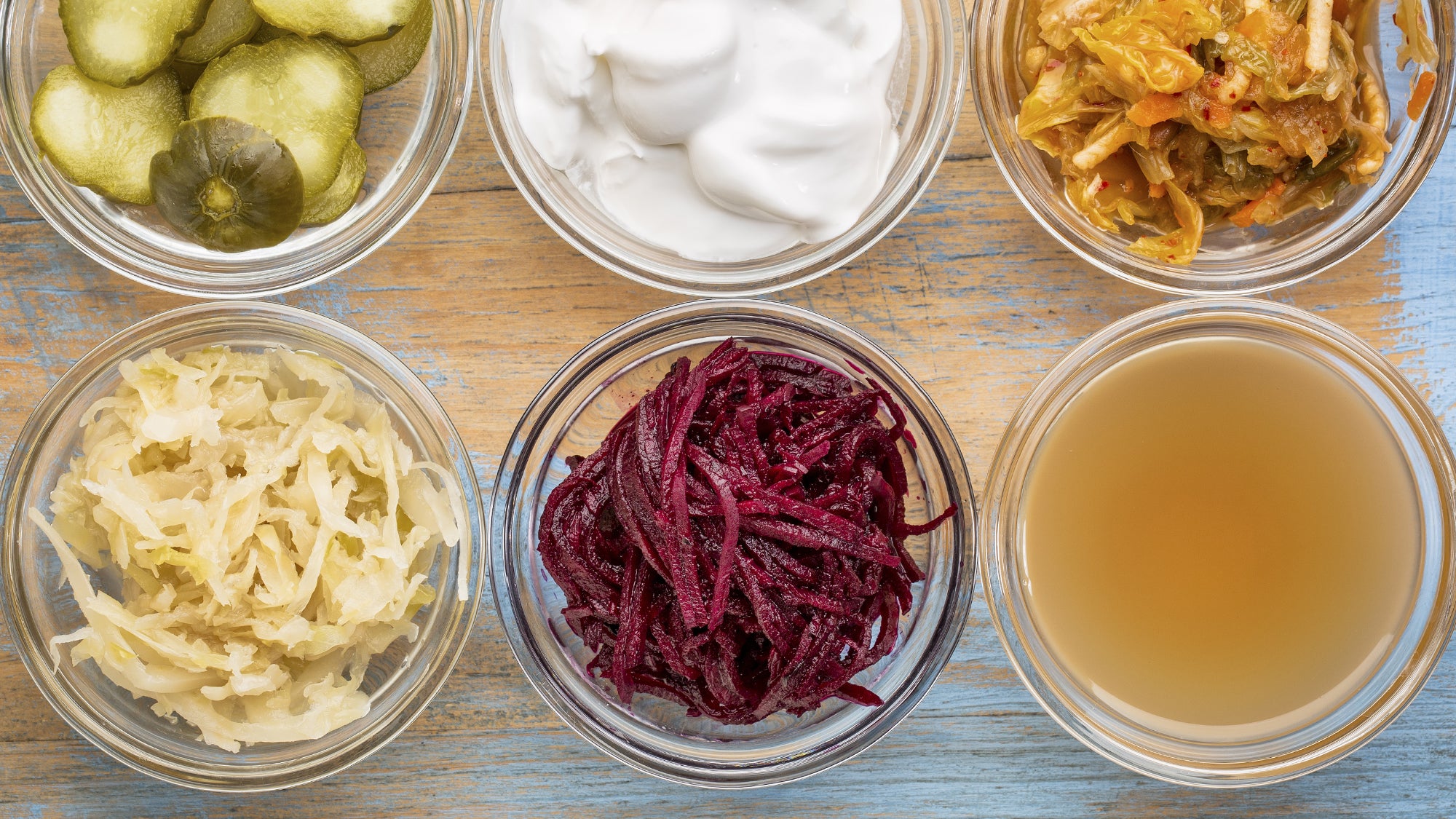
2. Eat Fermented Foods Every Day
Fermented foods, such as kimchi, sauerkraut, kefir, kombucha, tempeh, and miso all contain beneficial bacteria that can help fight against and crowd out the bad bacteria in your gut, resulting in a healthy balance of bacteria in the intestines. Aim for one to two servings of fermented food daily.
3. Consume Prebiotic-Rich Foods
Prebiotics, the preferred fuel source for your gut’s good bacteria, is the indigestible fibers found in plant-based foods. Excellent sources of prebiotics include onions, garlic, artichokes, Jerusalem artichokes, jicama, green bananas, green banana flour, oatmeal, cooked and cooled rice and cooked and cooled potatoes.
ADVERTISEMENT
See Also Fix-Your-Gut 7-Day Meal Plan
4. Choose Polyphenol-Rich Foods
Polyphenols are micronutrients found in red wine, green tea, blueberries, pomegranates, cherries and dark chocolate that act as antioxidants. They decrease inflammation and stimulate the growth of beneficial bacteria while inhibiting the growth of pathogenic bacteria.
5. Take a Probiotic
Most probiotics contain various Lactobacillus and Bifidobacterium species. Another class of probiotics are soil-based organisms (SBOs), which have the ability to better survive the trip through the digestive system and reach the intestines intact, in order to “seed” the digestive tract with bacteria that will support a healthy microbiome. Opt for a probiotic with a large number of different strains.
6. Incorporate Collagen
Your hair, skin, nails and connective tissues are made of collagen. Collagen also acts as a protective covering for body organs like the kidneys. Unfortunately, aging, genetics, environmental pollutants and nutritional deficiencies deplete collagen. Adding it to your diet can help soothe and protect the gut lining and build new tissue.
ADVERTISEMENT
See Also Cinnamon Collagen Milk
7. Limit Sugar Intake
Sugar and artificial sweeteners feed the bad bacteria and can cause gastrointestinal distress in the forms of gas, bloating and diarrhea.
8. Be Mindful of Antibiotics
Antibiotics kill both the bad bacteria that make you sick and the good bacteria that keep you healthy. If you must take antibiotics for a bacterial infection, consider taking Saccharomyces boulardii, an antibiotic-resistant yeast that acts like a probiotic, as well as a multi-strain probiotic or a soil-based probiotic in between antibiotic doses. This will help repopulate good bacteria.